


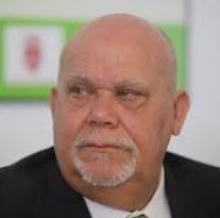
Certainly, there are two fundamental themes in the poetry of Pasquale Di Lena: the Molisanità of its content, expressed through the evocation of memories and images, imbued with a deep sense of nostalgia; and the freshness of a dialect that remains vivid and highly expressive, reflecting the voice of a Molisan who has long lived far from his homeland.
Pasquale Di Lena poetry
Thought
The thought that will not think
becomes a fly—
a small unrest
that startles the stillness.
It circles you,
light and relentless,
brushing your brow,
whispering at your neck;
the more you drive it off,
the more it clings,
a quiet, growing ache.
It gathers speed,
a restless orbit,
pressing into your sight,
slipping into your hearing;
and when you reach to hold it,
it dissolves in air.
So you strike at yourself,
alone,
absurd and helpless,
like a salted fish on a slab,
for a fly
that will not be caught,
that will not be still.
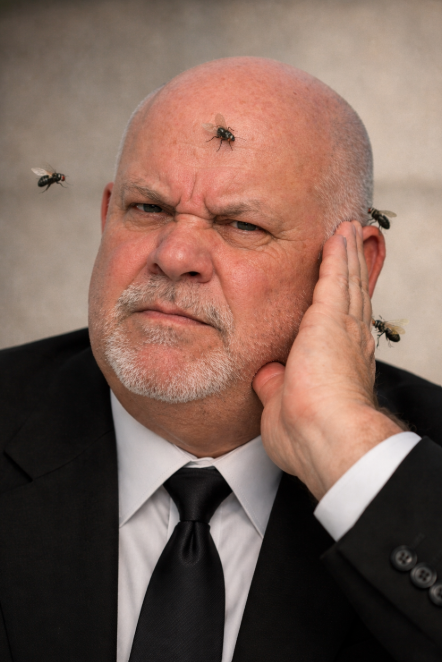
This is the first lyric in the collection, where the image—born from the poet’s imagination—captures the torment of thoughts that occupy the mind until they become obsessive. Thoughts that return to the past, dwell on the present, and project themselves into the future constitute the essence of Pasquale Di Lena’s poetry. Living far from his native land, he raises his voice in song to relive past sensations, to revisit places and figures, and to search through memory in order to revive a personal and collective history.
In this way, he captivates the reader with vivid and almost sculptural images, which gain color and prominence through his keen reflections—reflections that also convey a moral meaning.
He is predominantly a gnomic poet, and therefore expresses himself through concise and incisive statements, imbued with a sense of wisdom.
He accepts the rules of life without drama or complaint, and awaits sleep “so as not to think.”
And here lies his great, though utopian, aspiration:
I would like to wander awhile
through the sky,
to meet a handful of stars—
great and small—
to linger on three simple truths,
to turn them over
until, at last,
they yield a pact:
peace, hunger, and quiet joy.
Peace, to feed the hunger;
to feed the hunger, to live in peace;
to live in peace, to feel whole—
I would like that…
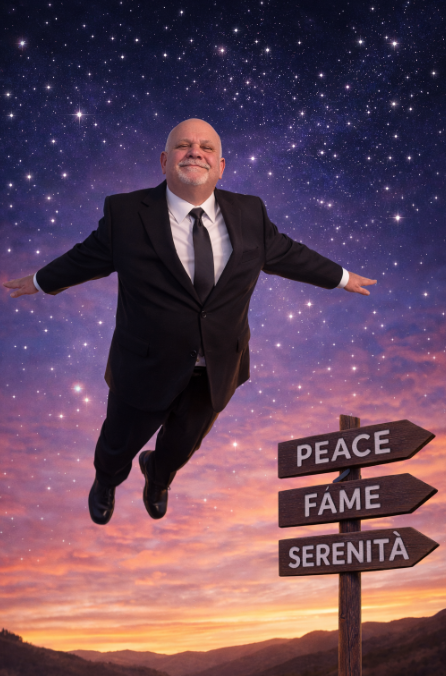
It is worth noting how, through the juxtaposition of words, the poet succeeds in expressing very lofty concepts: to achieve serenity, peace is necessary; yet, in order to attain peace, hunger must be eradicated.
In his poetry, one finds impressions drawn from small, everyday things, reflections on the destiny of humankind, and the unfolding tale of life through its many daily chapters, all set against the evocative backdrop of nature.
…filled with a quiet sweetness,
like the blood of a people
whose roots run far and deep,
like the green of olive trees
spreading, everywhere, without end.
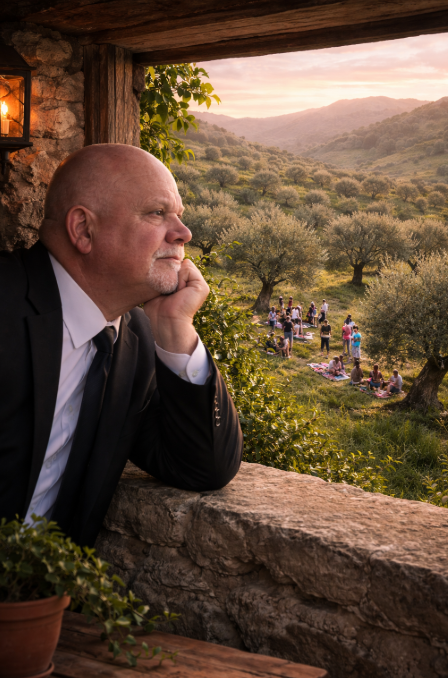
His dialect preserves the originality of his native place and lends musicality to free verse and to certain alternating assonances.
In its expressive power, his poetry reaches the tones of pure lyricism and often of heartfelt elegy for this land of ours, enveloped in the long silences of places not yet contaminated by the noise of technological civilization.
Within these poems, almost softly sheltered in a corner, lies Molise—its long history of suffering and pain, of poverty, but also of rebirth.
It is an archaic world that awakens and renews itself; the Molisan soul undergoes its transformation through the poet’s inner struggle, as can be grasped in these verses:
It is a thread being woven,
of memories and of hope,
one way for those who dare to change it,
another for those who think only of the belly.
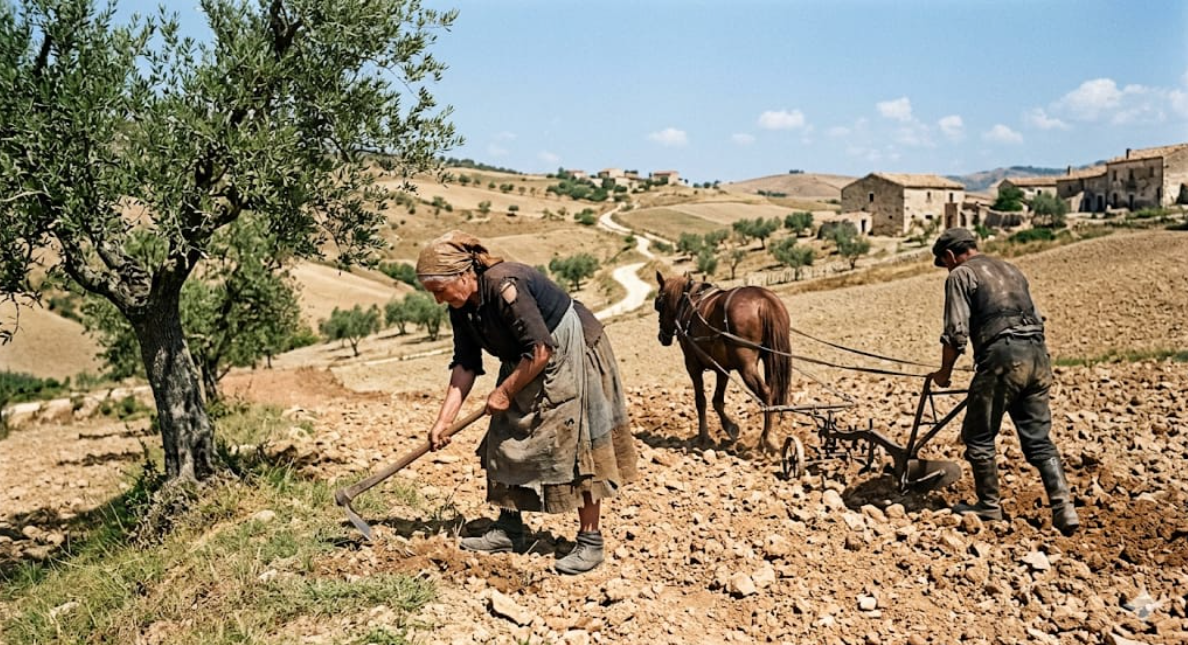
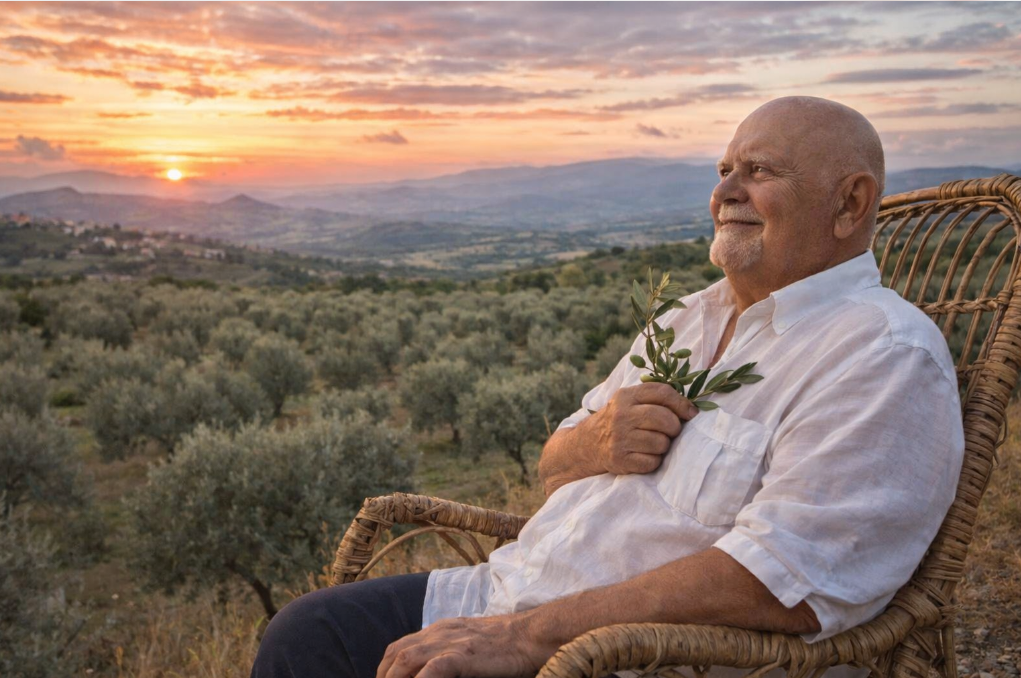
And Molise constantly returns to his mind:
It is a memory,
a distant thought,
a tender tear,
a song that lingers.
Like the olive tree
I long to find again,
wherever I may go—
to ease the heart,
and let troubles fade from mind.
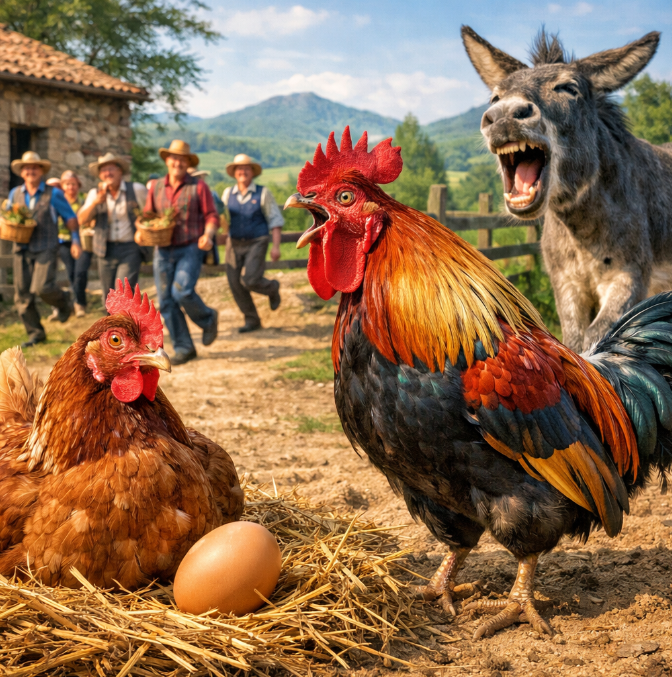
Di Lena is also a poet of fables:
The hen has laid the egg,
and the rooster has crowed—
so it goes: one does the deed,
another takes the glory.
When you hear—“I, I!”—
be sure of this:
he did not lay the egg,
yet claims it as his own.
Too many voices crow,
and that is why the donkey brays,
halts, grows restless;
and if it walks, and keeps on walking,
in the end,
it falls into step with them.
The moral dimension refers to humankind, in which the species of the presumptuous—those who claim merits that belong to others—and the cunning—those who achieve advantages through subtle and deceptive actions—are certainly not an endangered race.
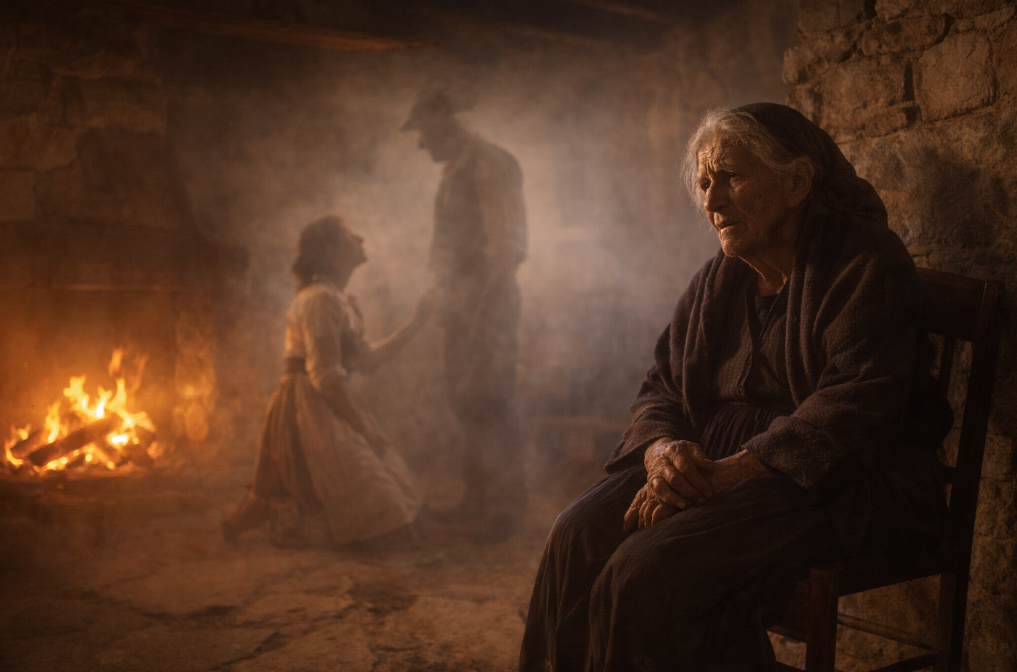
With remarkable effectiveness, Di Lena addresses the theme of women’s emancipation, constructing a dialogue between a mother, shaped by a traditional mindset, and a daughter who feels the demands of her time and asserts her rights and equality with men.
Ma… mother!
I cannot live like this any longer—
the same old story,
night and day,
bi, bi, ba, ba:
a nail, a lament,
driven in and in again.
You were a servant,
and you would have me be one too—
always with an apron tied,
my head bowed low,
no voice, no word,
silent,
kneeling before a man.
You weep your tears in secret,
ready to say yes,
to forgive, to soothe,
with no thought, no claim to pain,
wearing your weariness like contentment—
only to find yourself old and spent,
never knowing why you lived.
No, mother, no—
that is not my fate,
not while I am here.
I too want to live,
with a man
who knows to honor me.
THE LITTLE HOUSE OF SAND
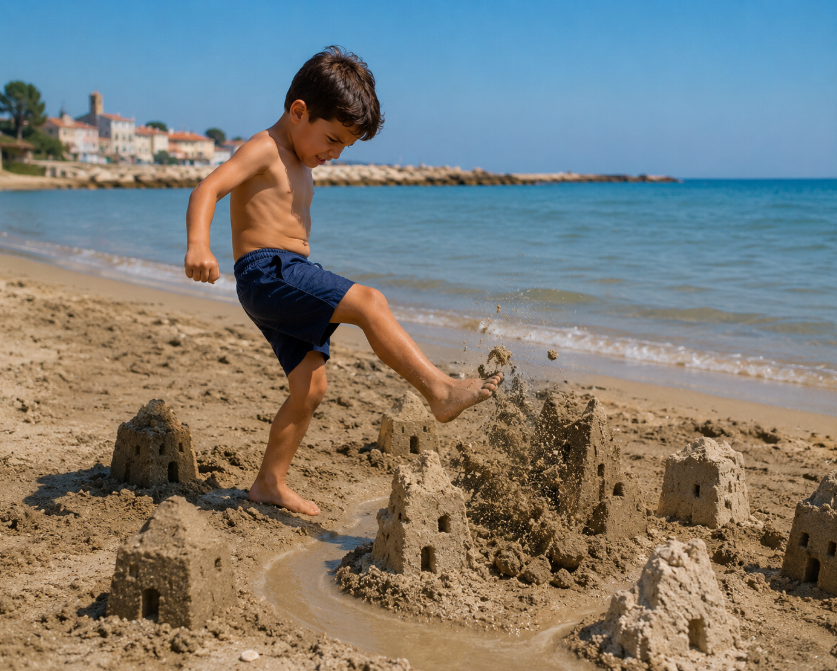
The little house of sand
I remember as a child to the sea
I used to build houses with sand
and put my heart in it.
I looked at them over and over
and felt I was really good at it.
I'd walk around them several times
to see if there was anything missing:
a door, a window, a little street.
Then they would change color
as the water dried up
and little by little the wind
would snatch a piece away.
At first I would run to patch it up
but then I saw it was all crumbling,
and so I would give them a kick and demolish them.
Angry tears would come down
and everything seemed an ill omen.
Growing up I've come to understand
that a house needs foundations to stand
if you don't want to see it disappear in a second,
how then can you build it on sand,
where everything lasts but an instant.
THE OWL
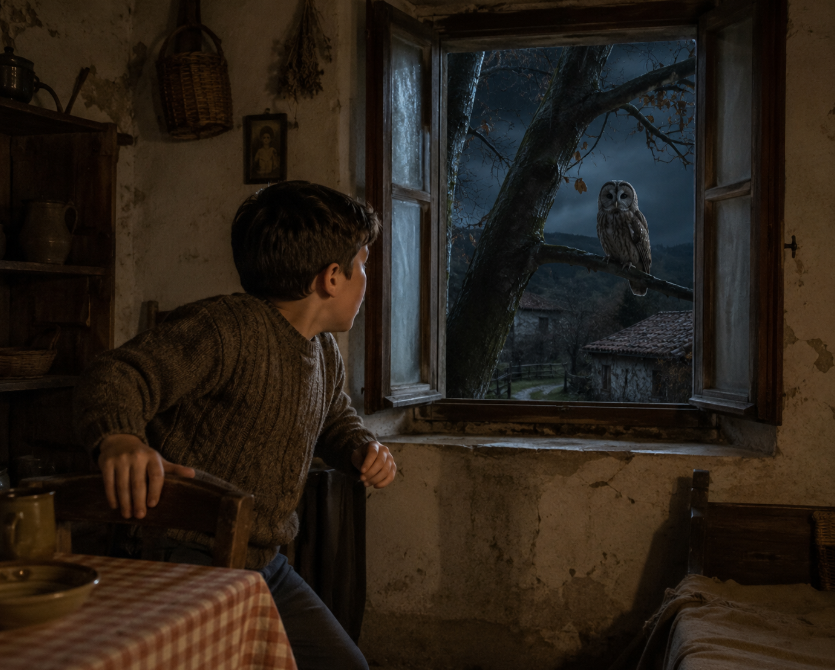
As a boy they taught me
to be afraid (among so many things to fear)
of the owl, bird of ill-omen.
"Who knows who he's hooting for"
said the women, crossing themselves.
He was the lord of the night,
and if he sang and cried nobody knew.
In houses full of children
misfortunes are nothing new:
poverty, hunger, by God's will,
now a death, now someone ill,
now an accident at work,
now a family thrown into the street.
Always the bird of ill-omen's fault,
that never missed,
wherever he looked he hit the mark.
People cried, tore out their hair,
they screamed and then started over.
World never changing for the hopes
that never reached heaven
because of the owl that hooted.
NEXT TO THE FIREPLACE
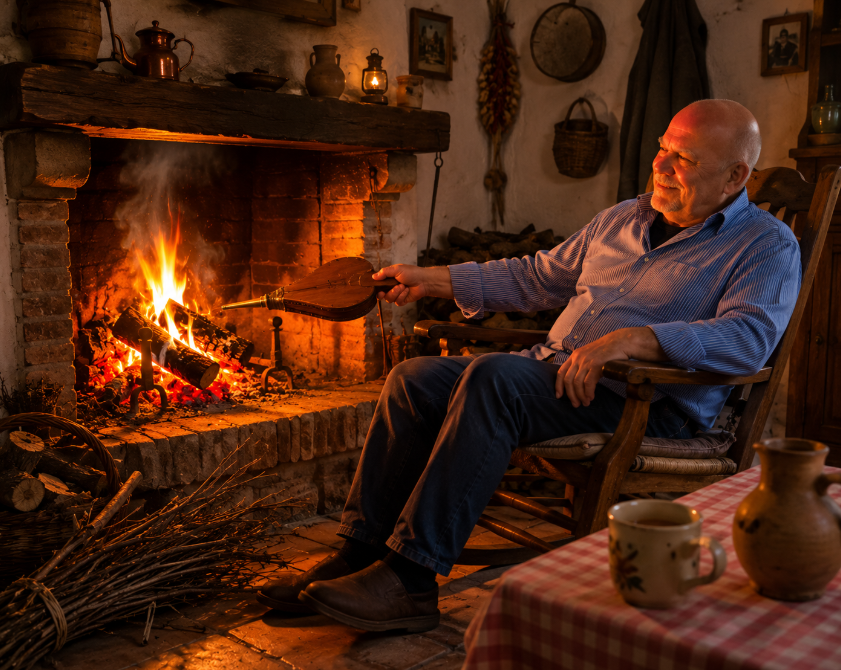
I really think a lot about old age,
I don't know if it's bad or good,
it's a fact though that old age
exists, and it should be understood.
No one knows whether he'll live or die
death doesn't knock, it just creeps in
anyway everyone hopes the heart gets by
and prepares for death in many small leaps.
But that's not the way things are today,
everyone shoots all the ammunition he can bring
anyway, my destiny is to die he says-,
then it's better to live a moment like a king.
In short you're content with a nice flame
that not only has no fire and cannot warm you,
but it burns you, it blinds you, it inflames you
with the cold that takes the place of warmth.
It's certainly not easy to start a decent fire:
first the log, then kindling, twigs and brushwood.
Once it starts to catch it can turn into a pyre.
You see the flame, you feel the heat, it's really good.
When the flame dies the fire is out again,
the log has turned to cinder
that you tease with the poker now and then.
Under the ashes there are always embers.
Around the fire you get to know the past
and have tomorrow all set,
you learn to distinguish a little from a lot,
you don't sit on your hands, there is always something to do
you understand that there isn't just today, but old age too.
I'D LIKE TO BECOME MAYOR
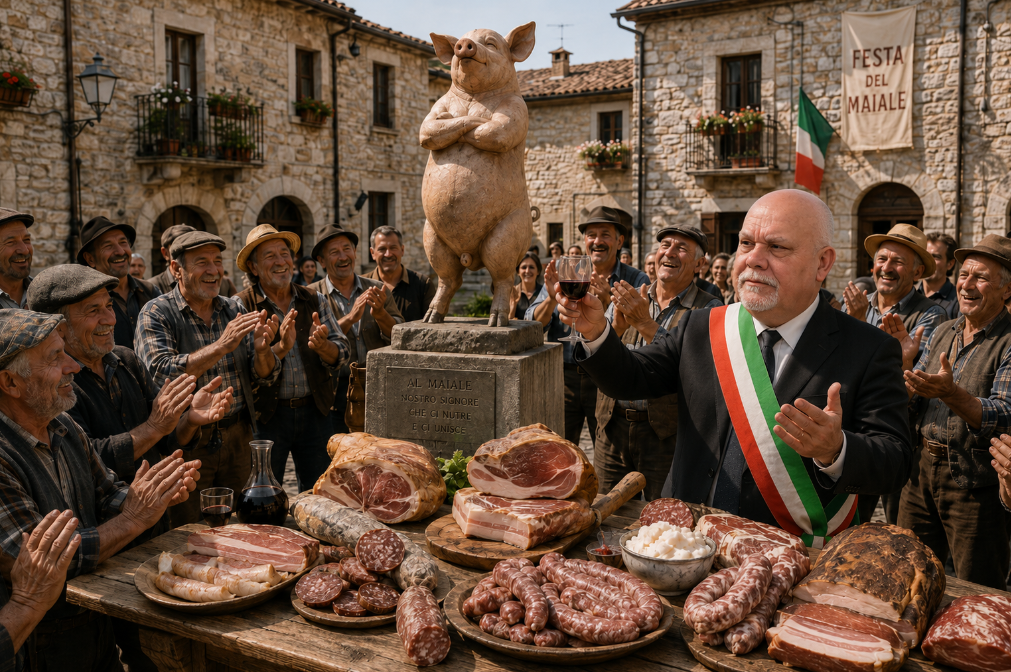
I'd like to become mayor
to build a monument to the pig
Yes the pig
the animal that sacrifices his life
so people can liv
The pig doesn't know old age
because he lives barely a year
he doesn't have time to get attached
to the owner
who any moment now
will do him in
He wastes nothing
because he eats everything and gives back everything
feeding hunger
He is a holy animal
that knows only how to give
fat and lard,
bacon,
dried gut,
sausages, gorge
the shoulder, the ham, the salame
the sopressata, the bristles, the ventrecine
blood pudding, the magnarine²
It fed you, and while it fed you
you felt happy
He was the king of the house
before and after he had lived
that's why there should be
everywhere
a monument
with a curly tail
a mouth slightly open
with the snout raised
as if to tell you
with his rurù rurù
you’re the one, yes you
THE DRUNK
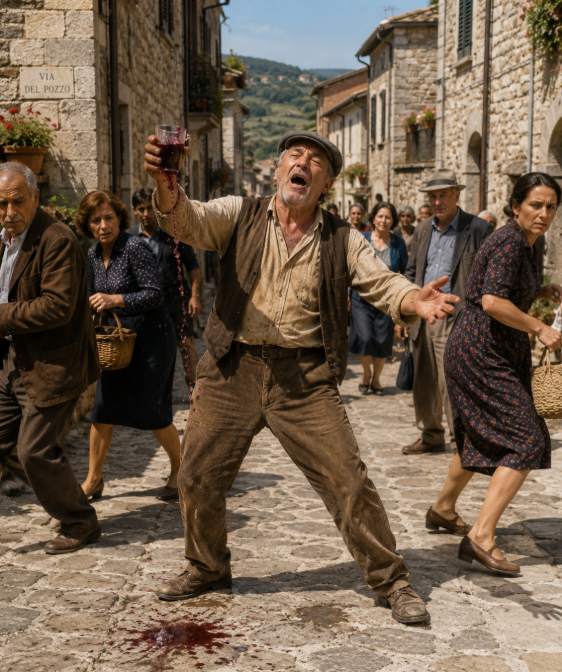
Someone on a bender
can be seen from far off
he walks with his head bowed
his arms a little wide
his legs spread out
For him the road is always crooked
reeling from side to side
You think he'll fall but he won't
Now and then he lifts his head
as if to catch his breath
He is a man alone
who befriended a glass
to forget his cares
As soon as he sees you he starts talking
very quietly at first, then louder
going back and forth
repeating himself
1978